Large breed training
Big dogs. A trainer who isn't nervous around them.
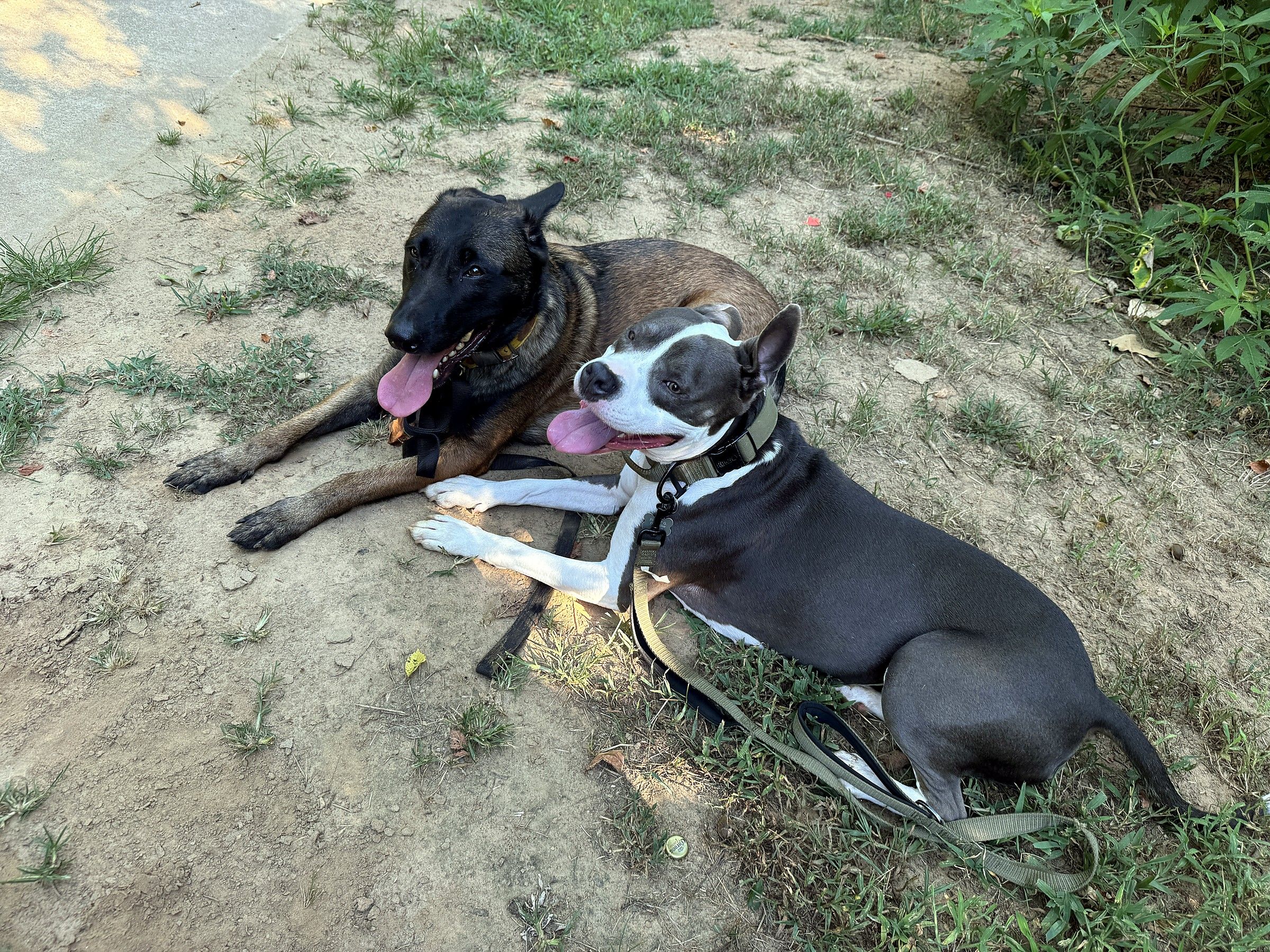
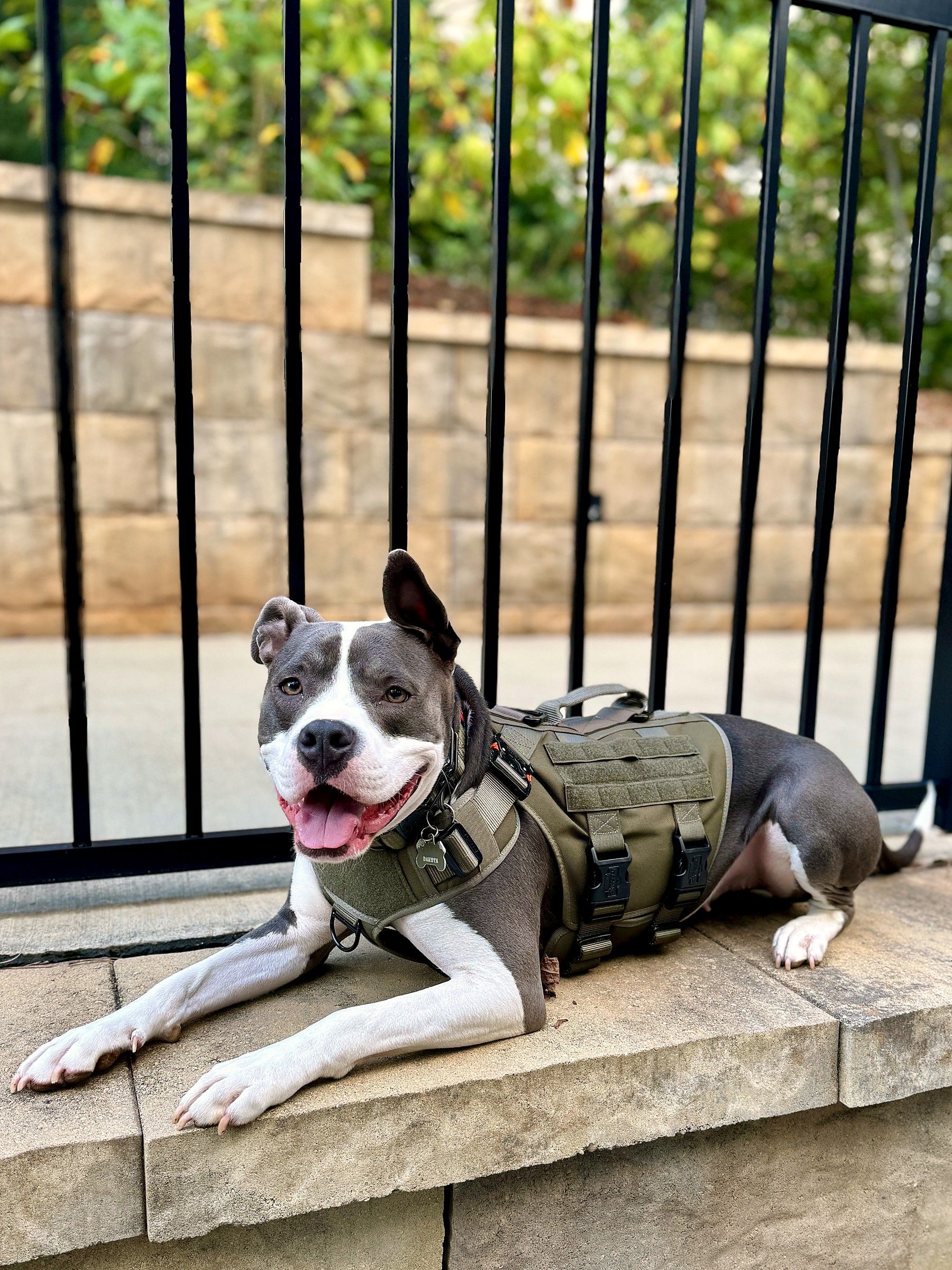
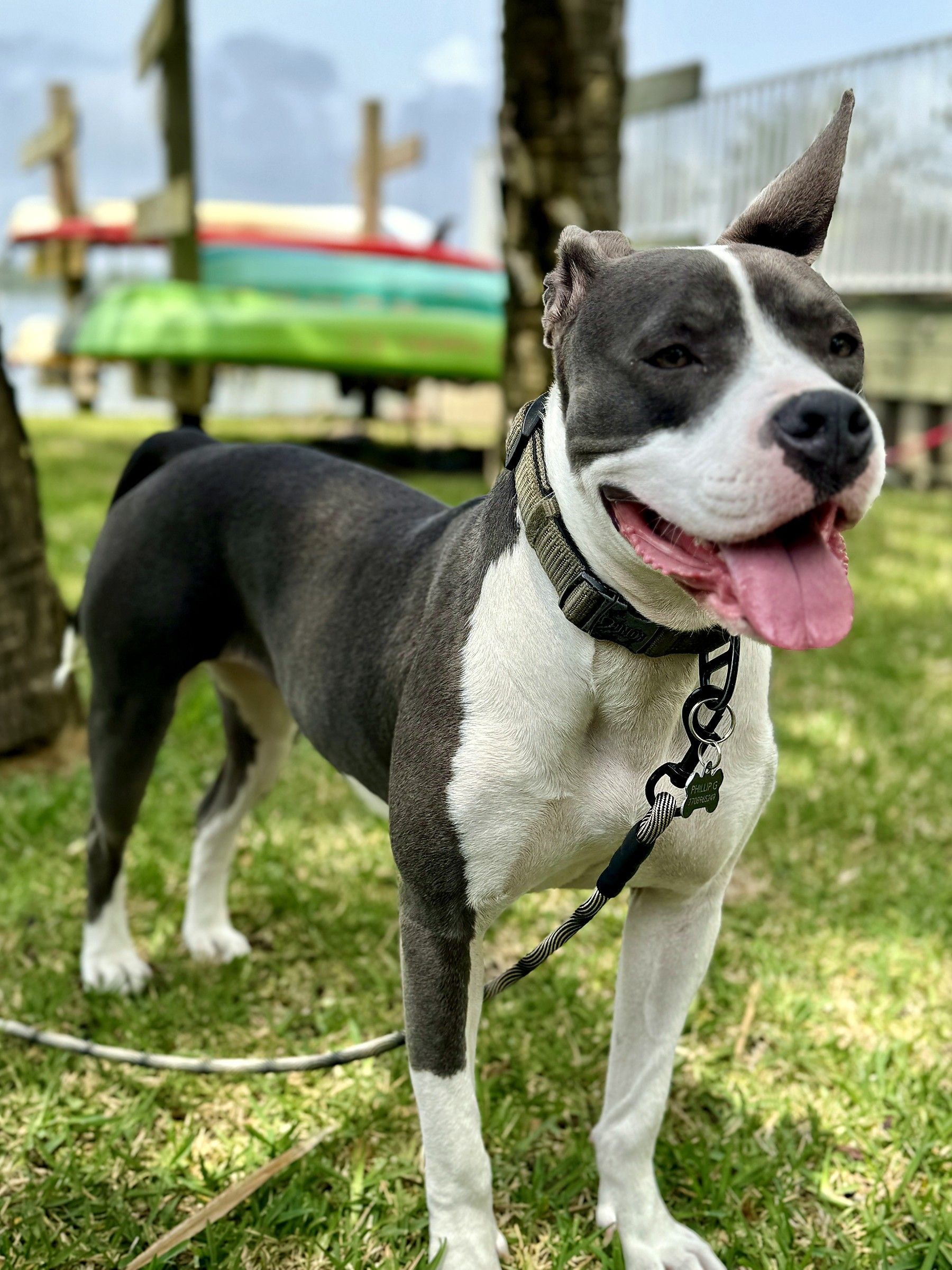
Pit bulls, shepherds, Malinois, Rottweilers, mastiffs. Dogs whose owners get judged at the vet, the park and the rental office. Phillip's own dog is a pit bull. That's not a marketing angle; it's just who's in the truck.
Why big dogs are different
The same behavior, with more consequences.
A terrier that lunges is a nuisance. A 75-pound dog that lunges can dislocate a shoulder, drag a child, or end up on the wrong side of an animal control report for something that started as fear. Big dogs also mature slower, hit adolescence harder, and carry more arousal into every greeting.
None of that makes them harder to train. It makes management more important, timing more important, and honesty about bite risk non-negotiable. It also means a trainer who flinches will make the dog worse.
Then there's the other thing: the stigma. People cross the street. The vet tech asks if you want a muzzle before the dog has done anything. You start apologizing for a dog that hasn't misbehaved. Part of the work here is getting you back to walking your dog with your head up.
Who shows up
The dogs on Phillip's calendar.
If your dog isn't on this list but weighs more than a bag of dog food, it counts.
- Pit bulls and bully breeds
- German and Belgian shepherds
- Belgian Malinois
- Rottweilers and Dobermans
- Cane Corsos and mastiffs
- Huskies and malamutes
- Great Danes
- Big mixes of any of the above
What the work usually covers
Strength, arousal, greetings, and the world's reaction to your dog.
Leash skills that hold at 90 pounds
Equipment fit, leash handling that uses your body not your biceps, and a dog that chooses to stay with you.
Greetings without a launch
Big friendly dogs hurt people by accident. Four-on-the-floor greetings, a reliable sit at the door, calm around small dogs and kids.
Muzzle training, done kindly
Not because your dog is dangerous. Because a dog that's comfortable in a muzzle can go to the vet, the groomer and the trailhead without anyone panicking.
Public manners
Down-stays on patios, calm passing on greenways, waiting in the truck. The skills that let a big dog be part of your life instead of a reason to stay home.
My experience with Lucky's K9 Solutions was outstanding. Their commitment to the breed, professionalism, consistency, and genuine care created a lasting foundation for my pitbull. They taught us how to build a lasting, stronger bond with our dog, Sakka! Years later, we're still not just clients; we're furry family forever.
The only review we've published so far, in her own words. More will go here as clients agree to share them.
Straight answers
Questions from big-dog owners
Do you actually train pit bulls, or just say you do?
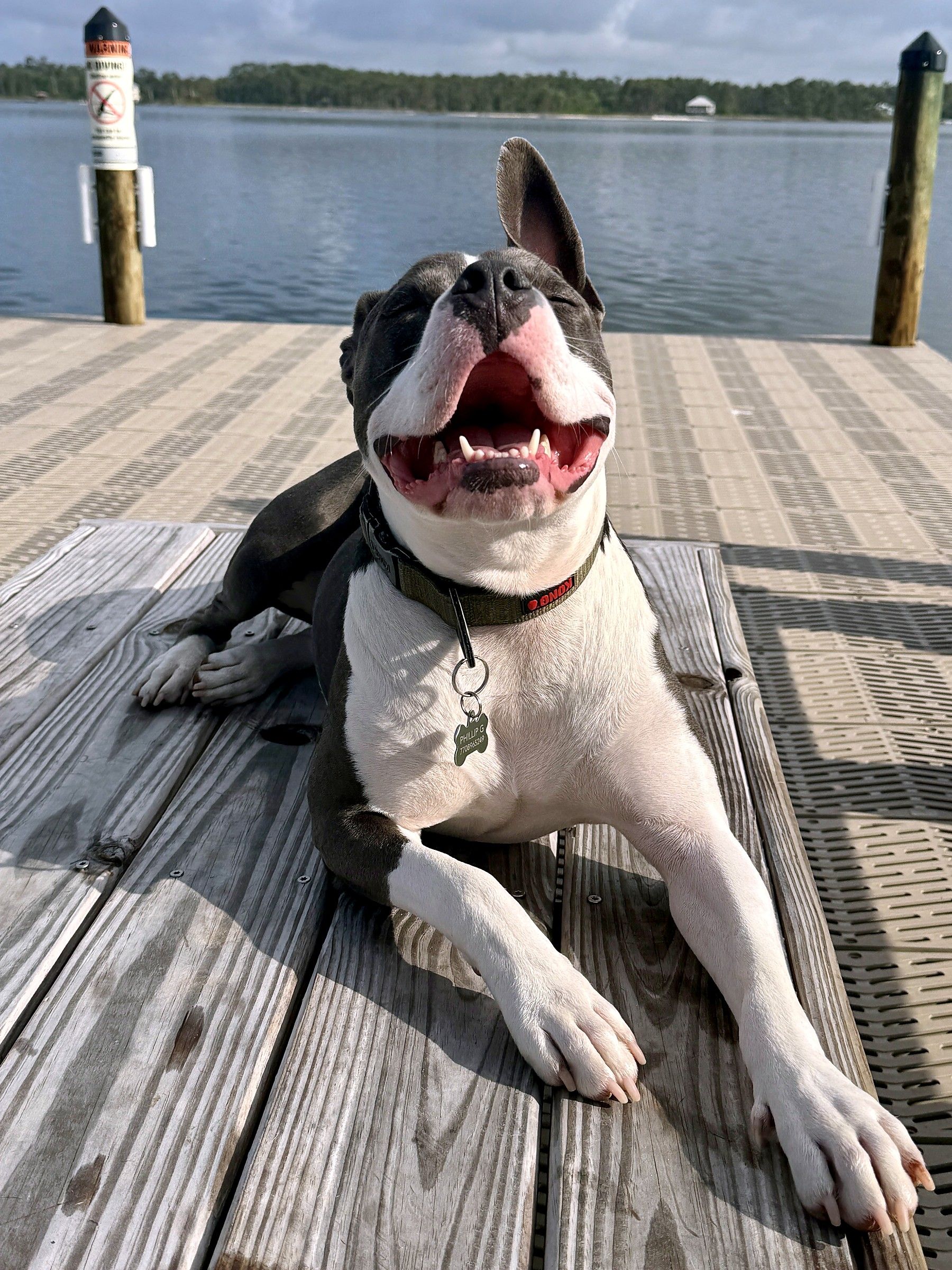
Lucky, the dog in most of the photos and on the logo, is Phillip's pit bull. A good part of his five years has been spent with bully breeds through rescue work and private clients. Pit bulls are not a footnote on a breed list here; they're the reason the business exists.
My apartment or insurance has breed restrictions. Can training help?
Training can't change a breed clause, and Phillip won't pretend otherwise. What it can do is make your dog a calm, predictable neighbor, which matters when a landlord or an HOA is deciding whether to make an issue of it. Ask on the call; he's dealt with this a lot.
Is a Malinois a good family dog?
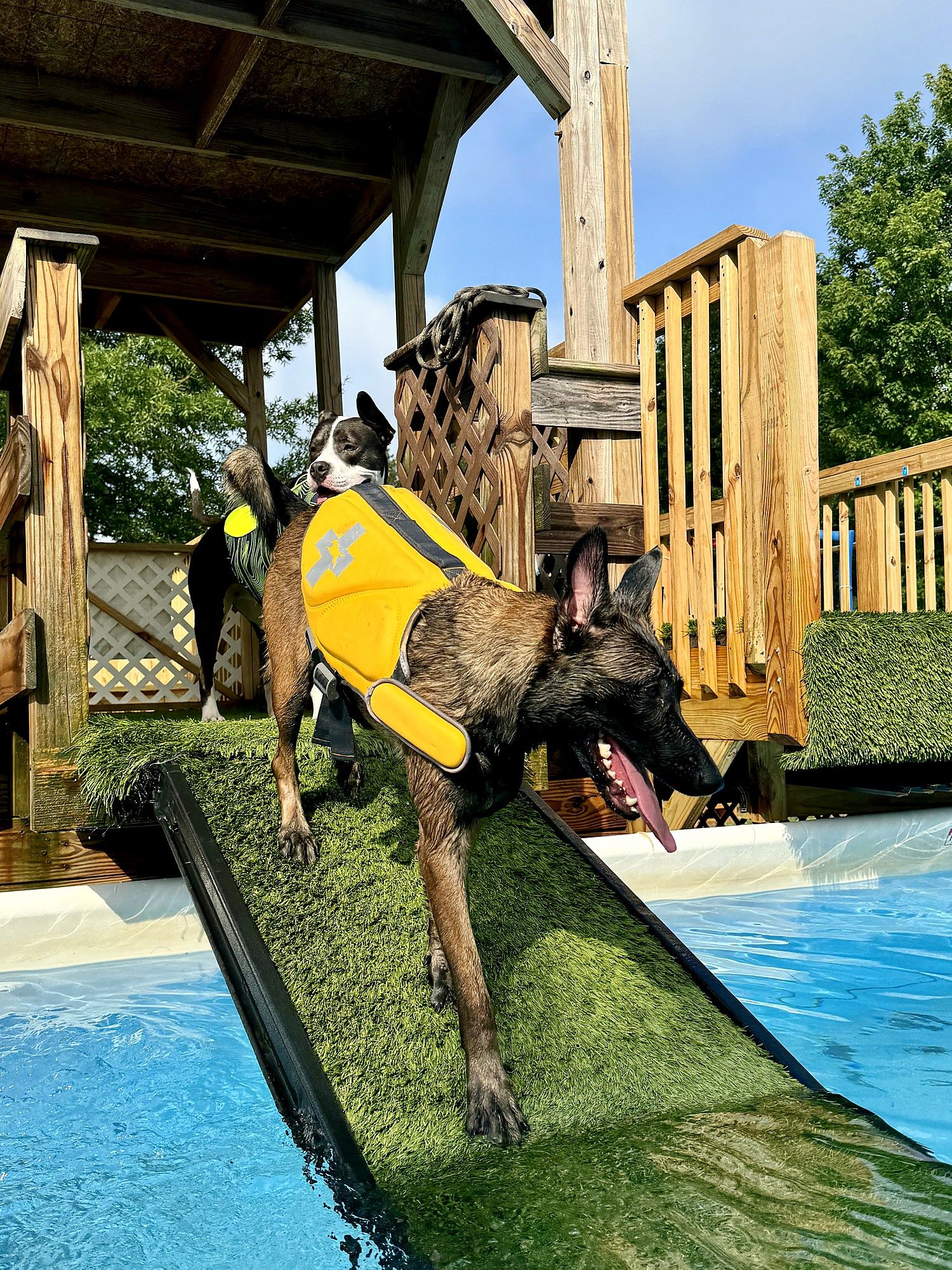
Sometimes, and only with a lot of work. A Malinois needs a job, structure and an owner who is honest about how much time they have. Phillip has one in his life and will give you a straight answer about yours, including whether what you're seeing is a training gap or simply a working dog without work.
My big dog is friendly but pulls me over. Is that a training problem?
Yes, and a common one. Friendly over-arousal in a 90-pound dog is a safety issue for you and for the small dog it's rushing to say hello to. Loose-leash walking, greeting rules and impulse control are standard private-lesson work.
Next step
Bring the big dog. Fifteen minutes on the phone first.
Tell Phillip about your dog. He'll tell you honestly whether in-home training is the right next step, and what it would cost. No pitch, no pressure.
Adopted in the last 6 months? Your assessment visit is free. How it works.